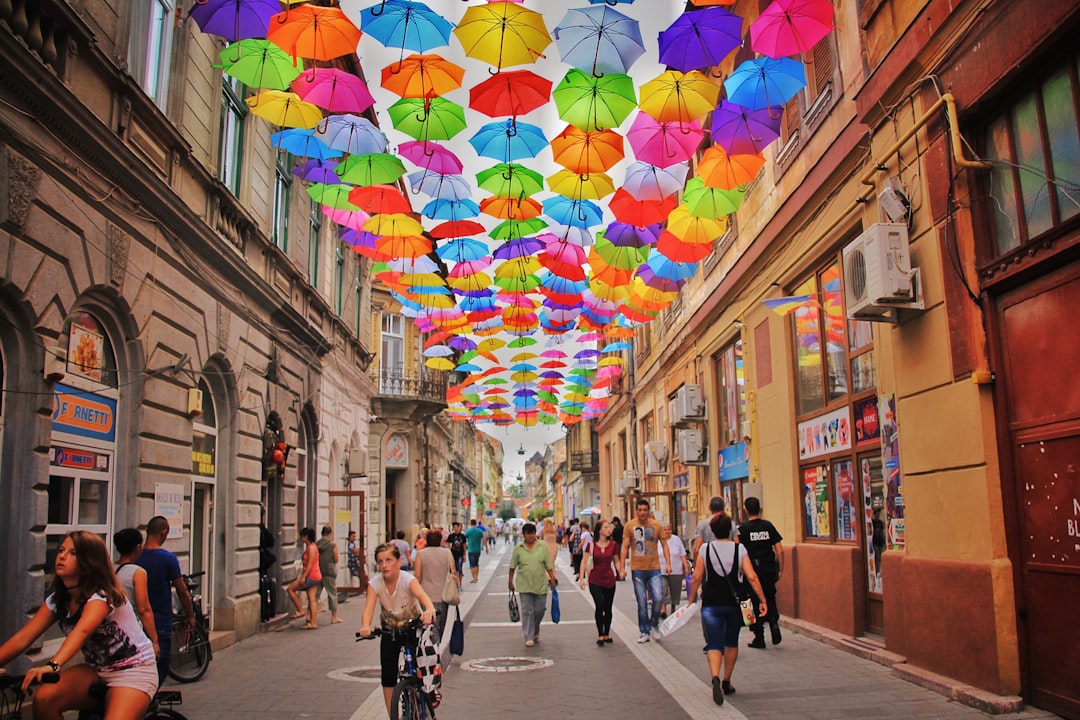
Marathi festivals and traditional theater are vibrant tapestries woven with threads of cultural heritage, visual artistry, and community engagement. The theatrical spectacles that strike during these celebrations are not mere entertainments but profound reflections of Maharashtra's social fabric, history, and artistic legacy. This definitive guide explores the dynamic intersection of visual arts and Marathi traditional theater, revealing how contemporary theatre practices resonate with local festival customs. We will dive into the ﹛silk﹜ costumes and the ornate ﹛surface﹜ elements — the rich textures, colors, and aesthetics that create the grandeur of spectacle in Marathi cultural expression.
1. Setting the Stage: Understanding Marathi Traditional Theater and Festivals
1.1 Historical Roots of Marathi Theater
Dating back to the Marathi folk and classical theater forms such as tamasha, kirtan, and dashavatara, Marathi theater holds deep roots in mythology, history, and social commentary. These productions often embrace vibrant costumes and elaborate stage sets that visually narrate age-old stories. Such history fosters the cultural heritage connecting today’s audiences with ancient traditions.
1.2 The Role of Festivals in Maharashtra
Festivals like Ganesh Chaturthi, Diwali, Gudi Padwa, and village-specific fairs are not only spiritual but social and artistic events where theater plays a pivotal role. During these festivals, traditional theatrical performances bring communities together, allowing visual spectacle to serve as both entertainment and cultural education.
1.3 Community Engagement and Theater
Marathi festivals thrive on collective participation — from organizers to local artists and audiences. This engagement strengthens community identity and dynamism, establishing theater as a participatory ritual rather than passive viewing. For more on how community dynamics enhance cultural events, see our section on Empowering Female Friendships in Creative Spaces.
2. The Visual Arts of Marathi Theater: Silk as Both Symbol and Surface
2.1 The Significance of Silk Costumes
Silk garments, dyed in bright hues, have long been central to Marathi theatrical costumes. Silk's lustrous surface not only conveys status and aesthetics but also enhances audience immersion through texture and movement. The interplay of light on silk surfaces adds a magical quality to performances, accentuating characters’ emotions and traits.
2.2 Costume Crafting: From Tradition to Modernity
Traditional costume makers painstakingly blend handwoven silk with intricate embroidery, reflecting Maharashtrian textile arts. Contemporary theater groups have adapted these creations with modern materials while maintaining authenticity, balancing durability with cultural accuracy. For a related discussion on designing Instagrammable art corners, parallels can be drawn in balancing tradition and modern appeal.
2.3 Color Symbolism in Visual Presentation
The use of specific colors—from radiant reds to serene yellows—carries symbolic meaning in Marathi performances, invoking emotions aligned with narrative arcs. Festival lighting enhances these surfaces, transforming stage aesthetics and making performances unforgettable spectacles.
3. Stagecraft and Set Design: Surfaces Beyond Fabric
3.1 Theatrical Backdrops as Visual Storytelling
Backdrops in Marathi traditional theater range from painted canvases depicting mythological landscapes to elaborate stage props. They provide context and set emotional tone, much like the visual storytelling found in surprising storytelling in children's literature, illustrating the power of a well-designed visual environment.
3.2 Integration of Local Art Forms
Local artistic expressions such as Warli and Gond painting motifs often inspire stage decorations, dialectically merging folk arts into performing arts. This cross-pollination enriches the spectators' experience by infusing regional visual identity into the spectacle.
3.3 Use of Contemporary Technology
Modern Marathi theater increasingly employs digital projections and innovative lighting solutions to enhance surface textures and visual depth. For insight into effective lighting in creative contexts, refer to our analysis on the best lighting solutions for makeup artists.
4. Theatrical Spectacles as Cultural Heritage
4.1 Passing Down Tradition Through Performance
These theatrical spectacles serve as living heritage, where visual arts and narrative theater educate younger generations on Marathi culture and values. Festivals act as a stage for heritage preservation, ensuring resilience through evolving interpretations.
4.2 The Festival as a Multi-Sensory Experience
Marathi festivals engage sights, sounds, and tactile senses, with the silk costumes and detailed surface textures enhancing the immersive atmosphere. The sensory layer stimulates deeper emotional connections, making cultural heritage tangible.
4.3 Challenges in Preserving Authenticity Amid Change
Balancing traditional aesthetics with contemporary relevance is challenging. As digital culture grows, maintaining community-led festival authenticity requires adaptive creativity. See how content creators navigate cultural identity in AI's role in shaping creative identity.
5. Contemporary Marathi Theater and Community Festivals: Parallels in Spectacle
5.1 Revival of Traditional Forms on Modern Stages
Modern theater troupes actively revive and reinterpret folk theater forms, integrating traditional silk costumes and handcrafted surfaces within contemporary stagecraft. This fusion honors heritage while appealing to new audiences.
5.2 Festivals as Theaters in the Open Air
Many festivals use open spaces as natural theaters, blurring boundaries between performance and everyday life. Community participation breathes life into these spectacles, creating immersive cultural encounters.
5.3 Theatrical Elements as Social Commentary
Beyond entertainment, theatrical spectacles at festivals often address social issues, echoing the historical role of theater in signaling reform and reflection. For broader context, explore how satire and tradition interplay in the creation of engaging content in modern satire.
6. The Silk-Surface Nexus: Symbolism in Clothing and Scenery
6.1 Clothing as Identity and Narrative
Silk costumes do more than adorn; they tell stories through symbolism embedded in fabric choice, color, and texture. Characters’ roles and moral alignments often visually manifest in their garments, enhancing storytelling layers.
6.2 Surface Detailing as Emotional Amplifier
Stage and costume surfaces—be it brocade, beadwork, or intricate prints—work as emotional amplifiers, giving audiences tactile cues to character development and thematic depth. The art of surface embellishment is thus integral to theatrical impact.
6.3 Visual Continuity in Festivals and Theater
The cohesion of silk and surface design across community festivals and theater creates a visual lexicon familiar to Marathi audiences. This continuity nurtures shared cultural memory and artistic expectations.
7. Practical Guide: Incorporating Visual Art into Local Festival Theater
7.1 Sourcing and Sustaining Traditional Materials
For local theater groups aiming to maintain authentic appearances, finding traditional silk and natural dyes can be difficult. Collaborations with regional artisans are essential. Our article on boosting small businesses highlights strategies to support such artisan communities sustainably.
7.2 Training Actors in Visual Presentation
The physicality and presence demanded by silk-based costumes require specialized training. Actors learn how fabric movement conveys mood and character, incorporating visual arts into performance practice.
7.3 Designing Effective Festival Stage Sets
Community stages benefit from modular set designs that respect traditional aesthetics yet adapt to contemporary logistical needs. Insights into creative designing and transmedia pitches can be found in student workshops on discoverability.
8. Comparison Table: Traditional vs Contemporary Use of Silk and Surface in Marathi Theater
| Aspect | Traditional Theater | Contemporary Theater |
|---|---|---|
| Costume Material | Pure handwoven silk or natural fibers | Silk blends with synthetic fibers for durability |
| Design Techniques | Hand embroidery and traditional dyes | Machine embroidery and eco-friendly dyes |
| Stage Set | Hand-painted canvas and organic materials | Digital projections and lightweight modular sets |
| Visual Symbolism | Mythological and religious iconography | Socio-political themes with symbolic modernization |
| Community Role | Village-based troupe and collective rituals | Professional troupes with community workshops |
9. The Future of Marathi Theatrical Spectacles in Festivals
9.1 Embracing Digital and Virtual Spaces
Theatre festivals are beginning to integrate virtual reality and augmented reality, expanding the concept of surface and spectacle in new digital dimensions. For technological integration in art, consult our analysis on the future of wearable tech.
9.2 Sustainability and Ethical Production
Environmental concerns prompt the move to sustainable silk and eco-conscious stage design. Lessons from ethical business practices in beauty industries, as discussed in ethical beauty brands, provide valuable parallels.
9.3 Nurturing Cultural Education Through Festivals
Educational programs within festivals can deepen understanding of theatrical crafts, preserving cultural heritage. Accessible community workshops enhance participation, inspiring new generations of artists and audiences.
10. Frequently Asked Questions (FAQ)
What defines traditional Marathi theater costumes?
They typically use handwoven silk with rich colors and embroidery that symbolize character traits and regional identities.
How do Marathi festivals integrate theater?
They incorporate theatrical performances rooted in mythology and social stories, engaging local communities as both performers and spectators.
What role does visual art play in Marathi theater?
Visual arts shape the costumes, stage sets, and overall spectacle, making performances immersive and culturally resonant.
Are contemporary Marathi theaters moving away from traditional styles?
Rather than abandoning tradition, many fuse old and new elements, updating visual and narrative styles while preserving cultural essence.
How can communities preserve theatrical heritage?
Through active participation in festivals, education, artisan collaborations, and adapting practices to contemporary contexts.
Related Reading
- Thriving Together: Empowering Female Friendships in Creative Spaces - How community bonds reinforce creative cultural work.
- Light Up Your Look: The Best Lighting Solutions for Makeup Artists - Insights into lighting that apply to theatrical presentations.
- Navigating Creative Identity: AI's Role in Shaping Your Online Persona - Understanding cultural identity in evolving media landscapes.
- Creating Engaging Content: A Breakdown of Signature Styles in Modern Satire - The interplay of humor and tradition in storytelling.
- Build a Mini-Agency: Student Workshop on Discoverability + Transmedia Pitches - How young creatives learn to balance tradition and innovation.