Start here: Why Marathi painters need denser stories on canvas
Many Marathi painters tell me the same thing: we have rich streets, markets and festivals full of stories, but struggle to translate that density into a single, readable canvas. You’re right to want more — because in 2026 galleries, collectors and local audiences are hungry for work that captures the crowds, rituals and private moments of Maharashtra’s cities. Henry Walsh’s recent Imaginary Lives work offers a powerful model: layered, precise, and full of strangers whose worlds feel lived-in without being explicated. This article translates Walsh’s practice into practical steps Marathi artists can use to paint dense narrative canvases set in Mumbai trains, Pune bazaars and Maharashtra’s neighbourhood pockets.
At a glance: What to take from Henry Walsh in 2026
Henry Walsh’s canvases are often described as crowded but precise — each figure is rendered with attention and given a narrative hint. In the current cultural moment (late 2025 and early 2026), curators and buyers are prioritising regional voices and complex urban storytelling. For Marathi painters, the lesson is not imitation but adaptation: use dense layering, disciplined draftsmanship and narrative ambiguity to allow viewers to enter many mini-stories inside a single frame.
Core principles to adapt
- Density with clarity — pack information but guide the eye with contrast and hierarchy.
- Specificity — small, local details (a newspaper headline in Marathi, a conductor’s badge) anchor universal scenes.
- Ambiguity — leave space for imaginary lives; don’t over-explain every face or action.
Why this matters for Marathi visual storytelling
By 2026, regional art platforms and community galleries are actively looking for work that both documents and reimagines urban life. Dense narrative canvases—if done well—function as social documents, conversation starters at festivals and strong entries for public commissions. For Marathi artists, this style can elevate everyday scenes—Mumbai local trains, Dadar bazaars, Shivaji Nagar markets—into compositions that work in gallery spaces and community halls alike.
Translating 'Imaginary Lives' to Maharashtra streets
Use these methods to make urban strangers in Maharashtra feel both immediate and mysterious.
1. Research and fieldwork: collect lives, not just images
Walsh’s practice reads like careful observation. For Marathi contexts, fieldwork means more than photography. Try a research loop:
- Spend five days riding the same Mumbai local line at different times; make small sketches and short audio notes.
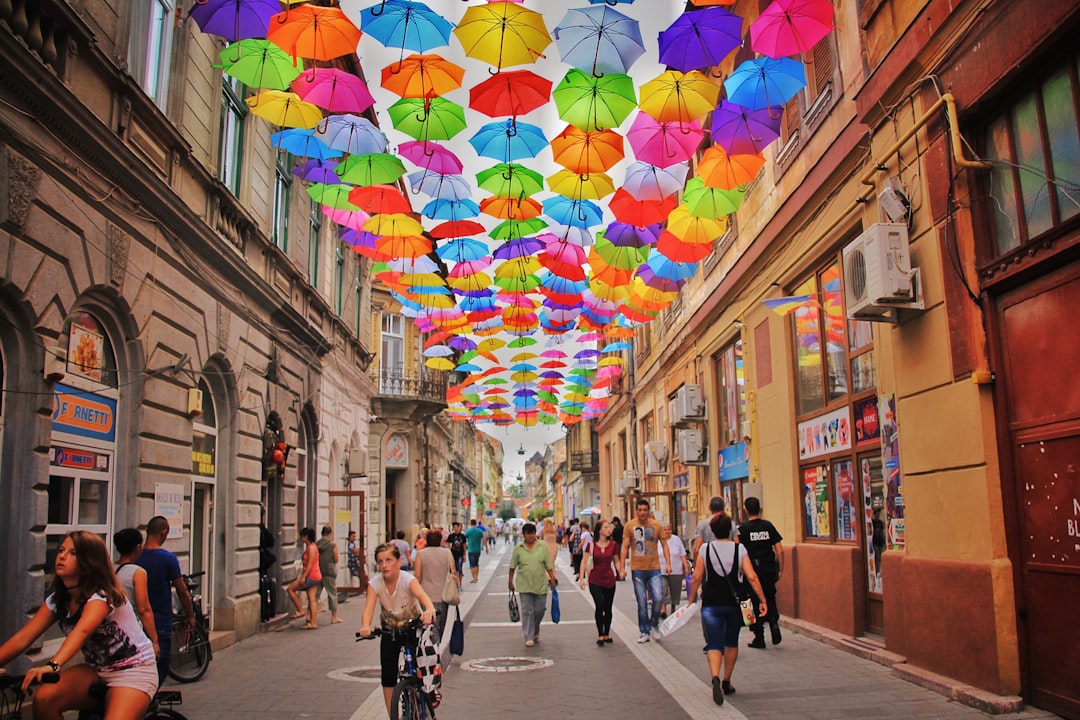
- Visit markets in Pune, Kolhapur or Nagpur and record textures: colours of produce, patterns of umbrellas, vendor calls in Marathi.
- Conduct short conversations (with consent) to hear one-line life details—these will become your narrative hints.
Collecting audio and sketches helps you synthesize composite characters that feel authentic rather than caricatured.
2. Ethical representation of strangers
Portraying real people requires sensitivity. Practice these rules:
- Consent: ask when possible; if photographing on trains is intrusive, rely on sketches and memory.
- Anonymize: combine features to create composites so no single person is identifiable.
- Dignity: avoid sensationalising poverty; aim to show agency and routine.
Dense canvases should enlarge community voices, not exploit them.
Composition and visual storytelling techniques
The challenge of a crowded canvas is readability. Below are composition strategies that balance narrative richness and clarity.
3. Build in layers: foreground, midground, background
Think of the canvas as a short film: the foreground has character detail, the midground shows interactions, and the background establishes place. Use sharper edges and higher contrast in the foreground; soften and desaturate elements that belong to the background.
4. Create visual hierarchy
- Choose 1–3 focal actors—figures who receive the most detail or light.
- Use warm colours or value contrast to pull focus (a saffron scarf on a platform, a red umbrella in a crowd).
- Apply repetition—reappearing motifs (a bicycle, a chai cup) will help viewers navigate a busy composition.
5. Suggest motion and time in a still image
To capture the rhythm of a Mumbai local or the bustle of a market:
- Use directional lines (rails, awnings) to lead the gaze.
- Apply motion blur with softer brushwork for limbs and clothing while keeping faces crisp.
- Deposit small narrative clues—an upturned watch, a half-eaten vada pav—to imply moments before and after.
Painting techniques for dense narrative canvases
Walsh’s precision often comes from disciplined layering. Marathi painters can combine that precision with local materials and textures.
6. Choosing medium and ground
Oil remains ideal for glazing and slow development; acrylic can work for faster layering and is more forgiving for plein air work. Consider these practical combinations:
- Oil on linen for gallery-scale, highly detailed works.
- Acrylic on primed board for quick field studies and market scenes you complete in the studio.
- Mixed media: incorporate paper fragments (local newspapers, wrappers) for texture and context.
7. Underpainting and detail strategy
Start with a thin monochrome underpainting to map values and composition. Move from broad to specific:
- Block in large shapes and value planes.
- Refine mid-values and local colours.
- Finish with tight detail and thin glazes to modulate light.
Use small synthetic brushes for precise marks and slightly stiffer hog brushes for texture. A mahlstick helps steady hands when rendering facial details.
8. Texture, found objects and surface storytelling
In markets, surfaces tell stories: worn posters, rust stains, frayed cloth. Use texture to anchor your narratives:
- Imprint coarse fabric or netting into wet gesso for cloth patterns.
- Glue small paper fragments or bus tickets to the support, then paint over them so they become embedded clues.
- Limit metallic pigments—use them sparingly for signboards, jewelry highlights, or temple offerings to avoid visual clutter.
Portraying urban strangers: faces, gestures and props
Walsh gives each stranger enough detail to suggest an interior life without providing biography. Use these tactics.
9. Faces: suggest, don’t always define
- Reserve fully rendered faces for focal figures; treat peripheral faces with softer edges and simplified features.
- Use posture and hands to communicate emotion when faces are turned away.
- Apply cultural markers (a mangalsutra, a worker’s cap) sensitively to suggest identity.
10. Gestures, props and the language of objects
Objects say more than words—an old lunchbox, a printed Marathi leaflet, a carrier bag from a famous vada pav stall. Place props where they support the main action and repeat them as motifs across the canvas.
Studio practice and workflows for sustained narrative work
Creating dense canvases can take months. Structure your studio practice to avoid burnout and keep stories fresh.
11. A rhythm for big works
- Week 1–2: intensive research and thumbnail compositions.
- Weeks 3–6: underpainting and blocking-in.
- Weeks 7–12+: detail, glazes and final adjustments.
Work in stages so you can step back and reassess narrative clarity between each pass.
12. Collabs, models and community projects
Invite vendors, commuters or local theatre actors to pose for short sessions. Run a weekend workshop in Marathi to collect stories and faces—this builds trust and gives you live reference material. Consider time-limited residencies in Pune studios or pop-ups in railway-adjacent neighbourhoods to immerse yourself; if you're testing a temporary space, look at guides for building a smart pop-up studio.
Using digital tools without losing authenticity
By 2026, AI tools and online platforms have become commonplace in studios. Use them as assistants, not authors.
13. Practical digital uses
- Composite reference photos in low-res to plan compositions (avoid copying a single photograph verbatim) — if you're working from small setups, tips in the dormroom studio playbook help keep your process honest.
- Use AI layout generators to test spatial arrangements fast—then re-draw from memory to retain authenticity.
- Document process as short clips for social media and local cultural sites to build audiences in Marathi and English; pair that with storage and archive workflows such as creator storage workflows.
14. Market and exhibition trends in 2026
Collectors and curators increasingly prize authenticity and local context. Public art commissions and municipal programs in Maharashtra are including narrative canvases for civic buildings and festivals more often—hybrid gallery and pop-up formats are common, see hybrid gallery pop-ups models for reference. Present works with bilingual labels (Marathi and English) and include an artist note describing your research process to add authority and context.
Crafting titles and statements that deepen narrative reading
Titles and short captions shape how viewers read dense canvases. Use them to offer a single hint, not a full story.
- Choose Marathi titles that carry cultural weight but remain accessible (e.g., “Platform No. 3 — Savaari” or “Mandai: Midday”).
- In your artist statement, mention the neighborhoods, the time of day and the methods you used (field sketches, interviews).
- Offer one or two lines that invite the viewer: a question or a small anecdote gleaned during fieldwork.
From sketch to show: a 10-step plan for one canvas
- Pick a locale (a stretch of the Western Line, a Pune textile lane).
- Spend 3–5 days gathering sketches, audio notes and 50 reference photos.
- Create 6 thumbnail compositions focusing on different focal points.
- Choose the strongest composition and make a monochrome underpainting.
- Block in local colours and values.
- Define three focal figures with sharper detail.
- Add midground interactions to suggest narrative relationships.
- Use thin glazes to harmonise colour and light.
- Embed small, local paper fragments as texture/clues where appropriate—if you're aiming for low-waste, see field guides to zero-waste pop-ups for materials ideas.
- Write a Marathi-English note describing your research and one anecdote that inspired the scene.
Actionable takeaways
- Do one week of concentrated fieldwork (commute sketches, 10 quick portraits) before you touch the canvas.
- Plan three focal points so crowded scenes remain readable.
- Use underpainting and glazing to achieve the quiet precision Walsh is known for.
- Respect subjects — anonymise composites and present work with ethical statements.
- Use Marathi in titles and captions to root work in local culture and connect with community audiences.
Final notes: Your city, your imaginary lives
Henry Walsh shows us the power of giving strangers small, suggestive narratives inside a single picture plane. Marathi painters have an even richer archive to draw from: layered festivals, crowded trains, intimate teahouses and market rituals. The goal is not to catalog everything, but to find a rhythm that makes a canvas feel like a day in someone’s life. By combining disciplined draftsmanship, ethical fieldwork and thoughtful composition, you can create canvases that resonate with both local viewers and the broader contemporary-art world in 2026.
Call to action
Ready to try a dense narrative? Start this week: pick a train line or market for three days of fieldwork, make ten thumbnails, and post your thumbnail with one Marathi caption. Tag your local community and share your process — the conversation you start is part of the canvas. If you’d like feedback from other Marathi artists and curators, submit your thumbnail and research note to the community hub at marathi.top (look for the Culture & Festivals section) and join our next online critique circle.
Related Reading
- From Zines to Micro‑Shops: How Illustrators Monetize Local Retail & Mixed Reality in 2026
- Building a Smart Pop‑Up Studio: Weekend Studio to Side Hustle (2026 Guide)
- Field Recorder Ops 2026: Edge AI, Portable Power and Winning Micro‑Event Sound
- Storage Workflows for Creators in 2026: Local AI, Bandwidth Triage, and Monetizable Archives
- How to Use a Smart Lamp and Thermostat Together to Create Nighttime Warmth Routines
- Five Free Films to Screen at Your Pre-Match Watch Party
- Mindful Navigation: Neuroscience Tricks to Improve Route-Finding, Memory and Orientation When Exploring New Cities
- Gold ETF Flows vs. Precious-Metals Fund Sales: Interpreting Institutional Moves
- Review: Top 5 Smoking Cessation Apps and Wearables (Benchmarks for 2026)